What is 5G?
5G stands for the fifth generation of mobile networks. It's the successor to 4G and is designed to deliver significantly faster data speeds, reduced latency, and improved network efficiency. With its enhanced capabilities, 5G supports a wide range of applications beyond just mobile phones. It enables seamless streaming of high-definition content, real-time gaming, and rapid data transfers. More importantly, 5G is a foundational technology for emerging innovations such as autonomous vehicles, remote surgeries, industrial automation, and the Internet of Things (IoT). By connecting billions of devices with minimal delay, 5G paves the way for smarter cities, connected homes, and more responsive digital infrastructure. As this next-generation network continues to expand, it promises to revolutionize how we live, work, and communicate in an increasingly digital world.

Brief History of Mobile Networks
1G: Introduced in the 1980s, it enabled analog voice communication.
2G: Brought digital voice and SMS texting in the early 1990s.
3G: Introduced mobile internet access and basic video calling in the 2000s.
4G: Delivered high-speed internet and HD video streaming in the 2010s.
5G: Now, 5G is bringing ultra-fast speeds and near-zero latency to enable real-time experiences like AR/VR, autonomous vehicles, and smart infrastructure.
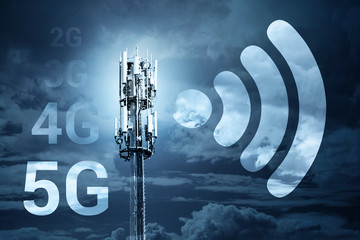
Why 5G Matters
5G isn’t just about faster phones—it’s a foundational technology for the future. It enables:
- Faster Speeds: Up to 100x faster than 4G.
- Lower Latency: As low as 1 millisecond, critical for real-time tasks.
- Massive Connectivity: Supports millions of devices per square kilometer.

Current Status (2025)
As of 2025, 5G networks have been deployed in over 70 countries. Major cities in the US, China, South Korea, Germany, and India now have widespread 5G coverage. However, rural areas and developing nations are still catching up due to high infrastructure costs.
