Challenges in 5G Rollout
- Infrastructure Cost: 5G requires dense networks of small cells, fiber connections, and base stations, especially in urban areas. The cost is significantly higher than previous generations.
- Rural Connectivity: Sparsely populated areas are hard to cover due to fewer users and lack of investment, leading to digital inequality.
- Health Concerns: Myths about 5G causing health issues (like cancer or COVID-19) have been scientifically debunked, but misinformation continues to affect public perception.
Security Concerns
With billions of devices connected via 5G, security risks are heightened. Threats include:
- Cyberattacks: Larger attack surfaces for hackers to exploit.
- Data Privacy: Real-time data collection and sharing raise concerns about surveillance and privacy breaches.
- Network Vulnerabilities: Because 5G is software-defined and decentralized, weak points can emerge if not properly secured.
Future Scope of 5G
- 6G Development: Research has already begun on 6G, aiming to provide speeds up to 100 times faster than 5G and even more intelligent networks.
- AI & Robotics: 5G will enable real-time communication between machines, powering autonomous robots, drones, and vehicles at scale.
- Fully Connected Ecosystems: Everything from homes, cities, factories, to public services will be interconnected and responsive.
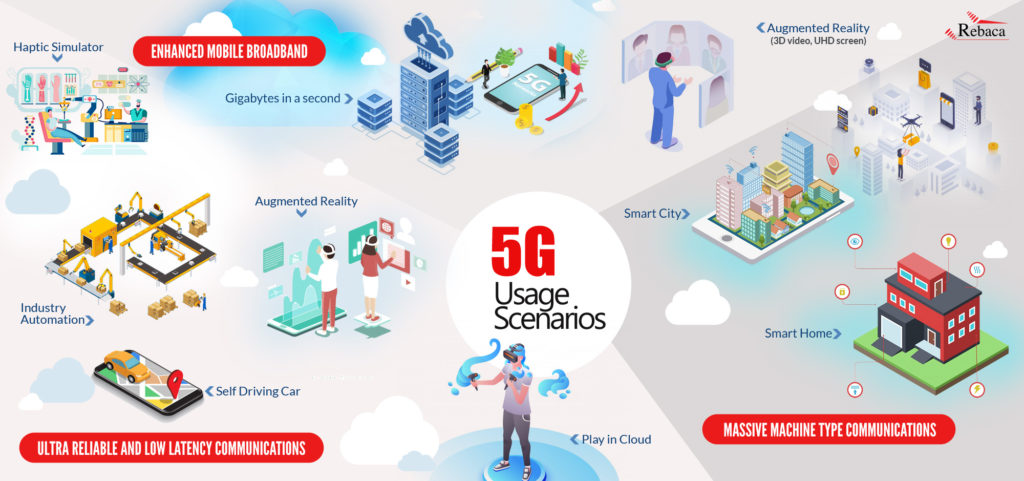
Conclusion: 5G is more than just faster internet. It's the infrastructure for a smarter, safer, and more connected world. Understanding both its challenges and opportunities is key to harnessing its full potential.

No comments:
Post a Comment